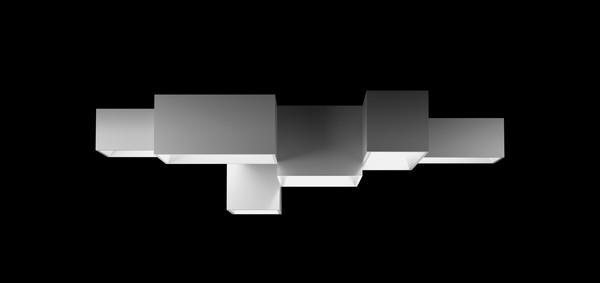
Link was created by Vibia Design and stands for an interesting system that suggests “the daylight entering through a skylight”. This modular design provides an architectural dimension to the object and is adapted to spaces of varying size and geometry. The system consists of four modules of different sizes and depths that combine in unlimited ways and orientations. The modules are electrically connected together. Due to energy-saving lamps, they are suitable for illuminating work surfaces. Here is a description from the producers: Like the skyline of a great city… The modules of the Link lighting system allow you to create silhouettes and volumes on the ceiling to suit every room and every location. We salute the versatility of this elegant looking system which can be adapted to almost any type of modern interior.
Interior etiketine sahip kayıtlar gösteriliyor. Tüm kayıtları göster
0 Interior Design Style
In most design projects, a great deal of planning takes place before the selection of furnishings. Designers consider the function of the space, the personalities and life-style of the occupants of the residence, the architectural characteristics of the dwelling, the lighting, color preferences and colors adjacent to the space-both indoors and out, the 'givens' of the space, including the materials used on the exterior and the interior of the building and, of course, the budget parameters. As the planning develops, furniture is considered only in a generalized way. Designers often use generic templates to space plan. What determines the style of furniture to be used? How will you know which styles to mix and how to do so with confidence, cleverness, and originality? Will you develop a single style, French country, classic modern, Asian, West Indies, neo-classical or will you enjoy working with a variety of styles?
The observation of historical development in architecture, interior design and furniture will often help you tap into a style that pleases you. None of these three elements can be studied separately, so this is a large topic, particularly for people who have little historical background or design experience in one style only. Have you heard it said that to break the rules you must know the rules? This is true in design. Unless you know the various architectural characteristics of different historical times and how interiors were designed to function in a way that complemented those interiors, you will never be able to fully appreciate how designers use their knowledge of style and history for inspiration, going beyond direct imitation with clever or respectful references to the past, while being innovative and original. Make it a point to visit historic buildings and interiors, museums and homes to learn about the historical development of design. The story of furniture is inextricably linked with the story of civilization, in our case western civilization primarily, since it was the Europeans who came to the U.S. first, bringing with them their belongings, memories and skills. The further back you go in history, the less you can know about residential interiors, since only buildings made of stone or items carefully hidden from the elements survived to give us insight into a way of life. When we look at historical artifacts, we are typically seeing what once belonged to the governing elites or the aristocracy-unless of course we look at public buildings designed for use by everyone-civic buildings, temples, churches, even baths. We only know about more modest dwellings of very recent times.
Developments in furniture styles are stimulated by the following: political or economic change, discoveries (such as the archaeological excavations of Pompeii and King Tut's tomb); contact with faraway places-seeing something new; changes in technology and production techniques and the keen creative power of gifted designers working to meet the needs of their era for both function and beauty. Each historic style period has unique influences and particular style characteristics. As an informed designer, you want to be able to recognize and identify the various eras of design style and the characteristics of the various historic styles. Hopefully you will enjoy the exploration of style that you encounter in this section, acknowledging and appreciating the power of human adaptability and creativity in creating functional, aesthetically pleasing designs.
Read more
The observation of historical development in architecture, interior design and furniture will often help you tap into a style that pleases you. None of these three elements can be studied separately, so this is a large topic, particularly for people who have little historical background or design experience in one style only. Have you heard it said that to break the rules you must know the rules? This is true in design. Unless you know the various architectural characteristics of different historical times and how interiors were designed to function in a way that complemented those interiors, you will never be able to fully appreciate how designers use their knowledge of style and history for inspiration, going beyond direct imitation with clever or respectful references to the past, while being innovative and original. Make it a point to visit historic buildings and interiors, museums and homes to learn about the historical development of design. The story of furniture is inextricably linked with the story of civilization, in our case western civilization primarily, since it was the Europeans who came to the U.S. first, bringing with them their belongings, memories and skills. The further back you go in history, the less you can know about residential interiors, since only buildings made of stone or items carefully hidden from the elements survived to give us insight into a way of life. When we look at historical artifacts, we are typically seeing what once belonged to the governing elites or the aristocracy-unless of course we look at public buildings designed for use by everyone-civic buildings, temples, churches, even baths. We only know about more modest dwellings of very recent times.
Developments in furniture styles are stimulated by the following: political or economic change, discoveries (such as the archaeological excavations of Pompeii and King Tut's tomb); contact with faraway places-seeing something new; changes in technology and production techniques and the keen creative power of gifted designers working to meet the needs of their era for both function and beauty. Each historic style period has unique influences and particular style characteristics. As an informed designer, you want to be able to recognize and identify the various eras of design style and the characteristics of the various historic styles. Hopefully you will enjoy the exploration of style that you encounter in this section, acknowledging and appreciating the power of human adaptability and creativity in creating functional, aesthetically pleasing designs.
Article Source: http://EzineArticles.com/?expert=Luminada_Jenkins
0 Interior Design Ideas
Interior design ideas are a wonderful place to begin for those who wish to create look that is uniquely their own. For people with a modern taste, it can be exasperating to live with outdated designs or old furniture and it may be hard to know where to begin. Luckily, there are a lot of ways to save cash and upgrade your interiors without huge remodelling or hustling out to buy designer brands. There is no need to throw away heirloom items in favour of IKEA merchandise with no personal significance to your life, as well. No matter how outdated your home interior design is, there can still be hope.
You may not notice it at present, but your historic house can actually have a number of old-world elegance that may be contrasted, with terrific success, with the contemporary accents you wish to use. Crown moulding, door and window frames, structural beams, and other interior design ideas may be refinished and displayed for their classic grace even in the presence of the contemporary furniture. Replacing, refinishing, stripping, and painting hardware are all things that may be at the top of your to-do list to contemporize an old home design.
Hanging light functions may be eliminated in favour of buried lighting as a fast way to carry spaces up to modern style. Consider updating your walls to a monochromatic colour scheme if they are still painted in country blues or retro pales. Bold swashes of colour can be incorporated to relief walls in order to give an exciting vibe and depth on a landing wall or through the unexpected entryway. There is any blend of palettes and textures that can give you a modern space in spite of older accents.
Working with outdated and aged furniture may actually be exciting and fun. There are a lot of interior design ideas to help you change those unattractive artefacts over the week. Among the hardest to update may be the weighty wood furniture, which may be refurnished in a lighter colour in the theme of other contemporary furniture. Decorative or scrolled legs may be simple replaces with a big assortment of straight, neat, modern styles that may also be refurnished in order to meet your satisfaction. To end up the task, eliminate or replace hardware items where possible, selecting less decorative yet highly unique styles. Be bold, your house is packed with interior design ideas.
Upholstery is something that has seen a spectacular transformation in famous style over many years. It does not only become faded and tattered, but the designs and patterns just do not blend in a contemporary setting. It may simply be replaced with crisp fabrics and solid colours for a notable change in look. Very simple patterns or clean stripes may be borrowed from present decoration in order to really unite the space design.
Read more
You may not notice it at present, but your historic house can actually have a number of old-world elegance that may be contrasted, with terrific success, with the contemporary accents you wish to use. Crown moulding, door and window frames, structural beams, and other interior design ideas may be refinished and displayed for their classic grace even in the presence of the contemporary furniture. Replacing, refinishing, stripping, and painting hardware are all things that may be at the top of your to-do list to contemporize an old home design.
Hanging light functions may be eliminated in favour of buried lighting as a fast way to carry spaces up to modern style. Consider updating your walls to a monochromatic colour scheme if they are still painted in country blues or retro pales. Bold swashes of colour can be incorporated to relief walls in order to give an exciting vibe and depth on a landing wall or through the unexpected entryway. There is any blend of palettes and textures that can give you a modern space in spite of older accents.
Working with outdated and aged furniture may actually be exciting and fun. There are a lot of interior design ideas to help you change those unattractive artefacts over the week. Among the hardest to update may be the weighty wood furniture, which may be refurnished in a lighter colour in the theme of other contemporary furniture. Decorative or scrolled legs may be simple replaces with a big assortment of straight, neat, modern styles that may also be refurnished in order to meet your satisfaction. To end up the task, eliminate or replace hardware items where possible, selecting less decorative yet highly unique styles. Be bold, your house is packed with interior design ideas.
Upholstery is something that has seen a spectacular transformation in famous style over many years. It does not only become faded and tattered, but the designs and patterns just do not blend in a contemporary setting. It may simply be replaced with crisp fabrics and solid colours for a notable change in look. Very simple patterns or clean stripes may be borrowed from present decoration in order to really unite the space design.
Article Source: http://EzineArticles.com/?expert=Luminada_Jenkins